

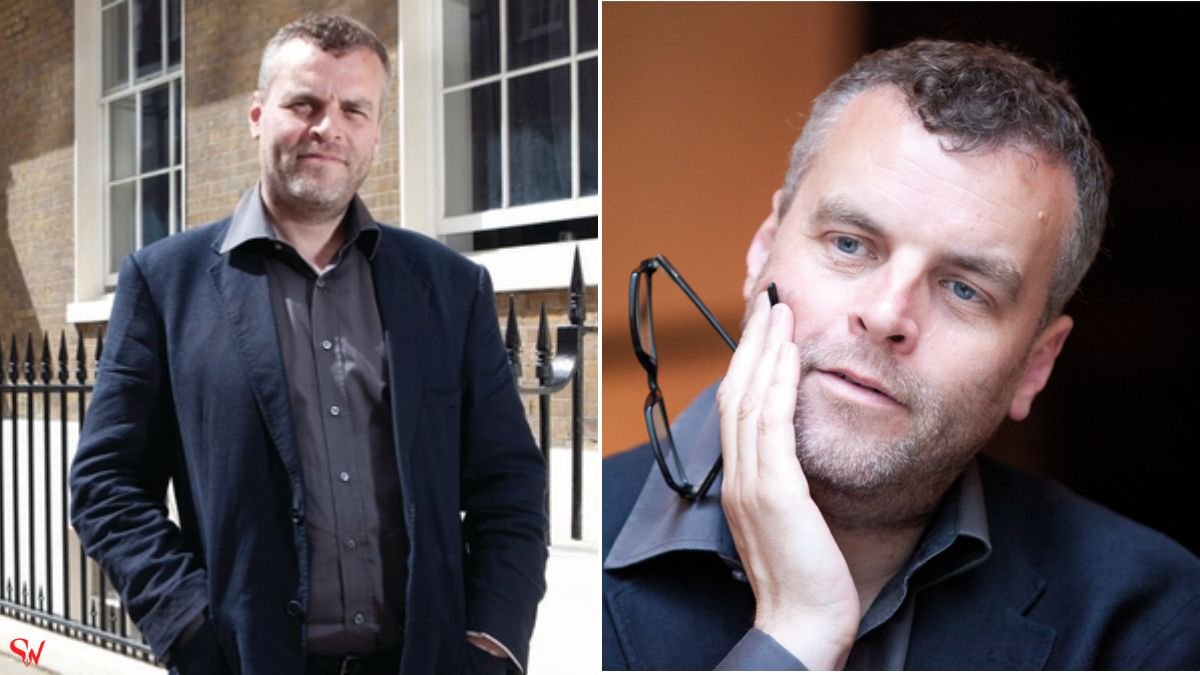
Tim Montgomerie has spoken publicly about experiencing mental health difficulties, particularly during the COVID-19 lockdown. The British political commentator discussed his personal struggles with depression in a June 2022 interview with the New Culture Forum. However, there is no reliable public confirmation that he has cerebral palsy or another specific serious physical illness.
His experience attracted attention because he openly discussed a difficult period in his life. Understanding what he actually shared helps separate his documented health experiences from speculation about his medical condition.
What Illness Does Tim Montgomerie Have?
The clearest information about Tim Montgomerie’s health concerns his mental wellbeing. During an interview with Peter Whittle for the New Culture Forum, he discussed experiencing depression and personal difficulties over several years.
The COVID-19 lockdown was particularly challenging. Social restrictions disrupted everyday routines, reduced opportunities for personal contact and left many people dealing with prolonged isolation.
Montgomerie’s willingness to discuss his experience offered a personal perspective on how those circumstances affected him. His comments concerned mental health rather than a publicly confirmed physical disability.
It is important to distinguish between someone discussing depression and someone confirming a particular medical diagnosis. His own account provides the strongest starting point for understanding this subject.
Tim Montgomerie Illness in 2021: What Happened?
The period around 2021 was particularly difficult for many people because of the pandemic and its restrictions. Montgomerie later discussed the mental health difficulties he had experienced during the lockdown years.
Living with limited social contact and disrupted routines can place considerable pressure on emotional wellbeing. His subsequent interview in June 2022 gave him an opportunity to discuss those personal experiences more openly.
He also spoke about the importance of getting through difficult periods and recognising when support is needed.
However, it would be inaccurate to describe 2021 as the year of a confirmed physical diagnosis. His public comments do not establish that he developed cerebral palsy, suffered a stroke or experienced another specific physical illness during that year.
Does Tim Montgomerie Have Cerebral Palsy?
There is no reliable public confirmation that Tim Montgomerie has cerebral palsy.
The condition appears in online searches connected with his name, but search suggestions and repeated website claims do not establish a medical diagnosis.
Cerebral palsy is a group of neurological conditions that affect movement, muscle control, posture and coordination. Its effects vary between individuals, and some people also experience communication difficulties.
However, identifying a condition requires appropriate medical assessment. A person’s appearance, movements or speaking style cannot establish whether they have cerebral palsy.
Montgomerie has not provided a verified public disclosure confirming this diagnosis. Therefore, it should not be presented as an established part of his health history.
How Did the COVID-19 Lockdown Affect His Mental Health?
Montgomerie’s interview with the New Culture Forum provides useful context for understanding his experiences.
He discussed personal struggles with depression during a period when ordinary social interaction became difficult. Lockdown affected people differently, but isolation and uncertainty created additional challenges for many individuals.
His account also highlighted an important point: mental health difficulties can affect people from different professional backgrounds, including those who regularly appear confident and comfortable in public.
By speaking about his experiences, Montgomerie contributed to a wider conversation about depression and the importance of acknowledging emotional difficulties.
His comments should be understood as a personal account rather than an invitation to speculate about other medical conditions.
What Is Tim Montgomerie’s Health Condition Today?
There is no reliable public update establishing that Montgomerie currently suffers from a serious physical illness.
His publicly discussed health experiences remain centred on the mental health difficulties he described in 2022. In a social media post discussing the interview, he also indicated that he was gradually getting on top of those difficulties.
That statement provides a useful historical update, but it should not be treated as a detailed assessment of his present medical condition.
His professional activities and public appearances are separate from his private health. Without a more recent personal statement, it would be inappropriate to make definite claims about his current wellbeing.
Frequently Asked Questions
Has Tim Montgomerie confirmed that he has cerebral palsy?
No verified public statement confirms that Tim Montgomerie has cerebral palsy. Online discussions about the possibility should not be treated as medical evidence.
What was Tim Montgomerie’s illness in 2021?
He later discussed experiencing mental health difficulties, particularly during the COVID-19 lockdown period. There is no established evidence that he received a specific physical illness diagnosis in 2021.
Has Tim Montgomerie spoken about depression?
Yes. He discussed his personal struggles with depression during a June 2022 New Culture Forum interview with Peter Whittle.
Is Tim Montgomerie seriously ill?
There is no reliable public confirmation of a serious physical illness. His documented health-related comments concern his mental health difficulties during the pandemic.
Conclusion
The story behind Tim Montgomerie illness is primarily connected to his openness about mental health. He discussed experiencing depression and personal difficulties during the COVID-19 lockdown, giving an insight into a challenging period of his life.
Although cerebral palsy and other physical conditions appear in online searches associated with his name, no reliable public confirmation establishes those diagnoses.
His own comments provide the most meaningful account of his health experiences. Keeping the distinction between personal disclosures and unsupported claims allows readers to understand his story without turning speculation into fact.
